Semrush makes the most sense for teams that want reporting, audits, keyword research, PPC visibility, and client handoffs inside one tool instead of stitching the stack together.
Semrush vs Ahrefs
Semrush vs Ahrefs
Semrush makes the most sense for teams that want reporting, audits, keyword research, PPC visibility, and client handoffs inside one tool instead of stitching the stack together.
The dashboard exists. Nobody owns the next decision.
Skip Semrush if the real job is mostly backlink research, or if added seats and unused modules would make the suite feel heavy. Ahrefs is the sharper choice for backlink intelligence, SERP research, and specialist investigation.
First buying signal
Semrush decision evidence
- Winner
- Semrush makes the most sense for teams that want reporting, audits, keyword research, PPC visibility, and client handoffs inside one tool instead of stitching the stack together.
- Avoid
- Skip Semrush if the real job is mostly backlink research, or if added seats and unused modules would make the suite feel heavy.
- Competitor edge
- Ahrefs is the sharper choice for backlink intelligence, SERP research, and specialist investigation.
- Pricing pain
- Semrush starts to hurt when agency seats, reporting exports, projects, and underused modules grow at the same time. Ahrefs brings its own pressure through data, credits, projects, and user limits.
Ahrefs is the sharper choice for backlink intelligence, SERP research, and specialist investigation.
Semrush is weaker when the real job is mostly backlink research, or if added seats and unused modules would make the suite feel heavy.
Ahrefs struggles when client reporting, PPC context, and non-specialist delegation become weekly work.
Teams regret Semrush when they pay for suite breadth but mostly use backlink research. Teams regret Ahrefs when client reporting, PPC context, and non-specialist delegation become weekly work.
Switching gets expensive when historical reports, dashboards, keyword projects, and client exports all have to move at once.
What to remember before you click
- Semrush makes sense for agencies and marketing teams running audits, keyword research, PPC visibility, and client reporting in the same place.
- Ahrefs is better when backlink intelligence, SERP research, and specialist investigation matter more than broad reporting.
- Semrush pricing starts to hurt when seats, reporting exports, projects, and unused modules expand together.
- Switching cleanup grows when keyword projects, client reports, dashboards, and historical exports all move together.
Semrush adds depth; Ahrefs keeps the decision simpler.
The wrong choice can improve one SEO task. It can still weaken reporting, exports, or stakeholder handoffs.
Why the reporting work holds
Decision intro
Semrush helps if the team uses the full SEO suite.
Why it leads
Semrush should lead after a real keyword research and site audit cleanup trial.
What to verify
Check pricing, support, setup, and competitor tracking first.
Where reporting stays useful
Test Semrush with one limit and one support path.
What stays easier after setup
Semrush should make shared review easier to assign after the first recurring process.
Semrush case
Choose Semrush when keyword research, site audit cleanup, and competitor tracking matter more than lighter setup.
The cost usually shows up in the work
Once the shortlist is small, the real question is practical: which choice creates less reporting load, switching tax, team ownership, and cost drift?
Semrush keeps client reporting, audits, PPC context, and exports closer together.
Ahrefs asks teams to translate research into stakeholder-ready reporting.
HighSemrush is broader, but not as sharp for backlink-first investigation.
Ahrefs is the specialist research desk for links, SERPs, and competitor discovery.
MediumSwitching gets expensive when historical reports, dashboards, keyword projects, and client exports all have to move at once.
The hard part is not exporting data; it is rebuilding the reports people already trust.
HighOperational SEO reality
The cleanest SEO stack is the one that reduces duplicate exports, reporting overlap, and switching cleanup after the team starts using it.
| Product | API overlap risk | Reporting cleanup | Migration pain | Best owner | Hidden cost |
|---|---|---|---|---|---|
| Semrush | Low | Light | Medium | SEO manager | Seat expansion |
| Ahrefs | Medium | Moderate | Low | Research-led teams | Export limitations |
| Surfer SEO | Medium | Medium | Medium | Workflow owner | Tool overlap |
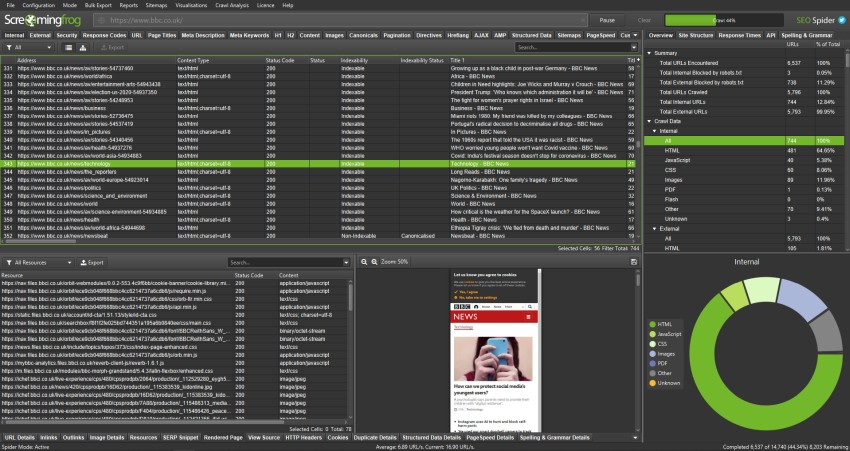
| Screaming Frog SEO Spider | Medium | Medium | Medium | Workflow owner | Tool overlap |
| Clearscope | Low | Medium | Moderate | Editorial SEO lead | Content-only coverage |
Decision completion
Finish the Semrush vs Ahrefs decision
Do not make this breadth versus backlinks in the abstract. Make it about the SEO meeting that keeps returning.
Ahrefs gives deeper link evidence, Semrush gives broader reporting, and the team still cannot decide what changes next.
Use one declining URL and one weekly report. Check whether the useful next action is backlink research, reporting breadth, or a technical/content handoff.
Choose it if its evidence changes the next reporting decision.
Keep it if the other tool handles the part of SEO the team repeats every week.
Wait if nobody can say whether links, content, or cleanup should happen first.
Bring one ranking drop to both tools and write down which output becomes the next action.
Then the tool has to live inside the week
The demo shows features. The renewal shows whether the workflow was real: cost creep, handoffs, switching drag, and the weekly work nobody saw up front.
Where the bill creeps up
Semrush starts to hurt when agency seats, reporting exports, projects, and underused modules grow at the same time. Ahrefs pressure is different: data usage, credits, projects, exports, and user limits become the renewal check.
Where it breaks
Teams regret Semrush when they pay for suite breadth but mostly use backlink research. Teams regret Ahrefs when client reporting, PPC context, and non-specialist delegation become weekly work.
What tends to show up later
The switching tax
Switching gets expensive when historical reports, dashboards, keyword projects, and client exports all have to move at once.
What the team has to carry
Semrush can turn into module sprawl if no one owns the setup. Ahrefs asks for more SEO judgment before non-specialists know what to do with the data.
What changes after setup
Check pricing, setup, support, limits, and one real task before treating Semrush as the default recommendation.
Semrush is the better first test when keyword research, site audit cleanup, and competitor tracking decide the shortlist.
Semrush is the wrong choice when the buyer only needs content priorities and a lighter setup.
Test Semrush with one real task, one owner, and one support check before paying.
Buyer support
Buying FAQ
Focused answers for pricing, setup effort, alternatives, and the tradeoffs that usually appear after the first shortlist.
Which Semrush vs Ahrefs checks matter before choosing Semrush?
Check keyword research, site audit cleanup, competitor tracking, pricing, support, and one trial.
When does Ahrefs make more sense than Semrush?
Choose Ahrefs when content priorities matters more than suite depth.
How should a buyer test Semrush before paying?
Run one real task, check support, and confirm the team can repeat it.
What makes Semrush the wrong choice?
Avoid Semrush when pricing limits or cleanup work are unclear.
What hidden cost should buyers compare?
Compare setup time, support recovery, cleanup work, unused depth, and renewal risk.
What should teams check before consolidating SEO tools?
Check whether the shortlist removes duplicate exports, reporting overlap, and attribution cleanup without adding another dashboard for the SEO owner.
Check Semrush pricing and trial setup.
Choose Semrush when keyword research and site audit cleanup matter more than a lighter setup.
Evidence, FAQ, and related decisions
How we evaluated
Based on structured product evidence and page-specific decision criteria.
- Updated
- May 1, 2026
- Products
- 6
- Workflows
- 48
- Scenarios
- 18
- Fit checks
- 20
- Method
- Based on structured product evidence and page-specific decision criteria.